
How to Use AI to Stay on Top of Everyday Bookkeeping Tasks
Most business owners don’t fall behind on their books because the work is hard. They fall behind because it is constant: receipts to file, transactions to code, invoices to chase, and a BAS deadline that always seems to arrive sooner than expected. The good news is that artificial intelligence and automation can now handle a lot of that daily grind, so you spend minutes on bookkeeping instead of hours.
Used well, AI keeps your records current every day rather than in a panic at quarter’s end. Used carelessly, it can file mistakes faster than ever. Here’s how to get the benefits without the risks.
1. Let AI capture your receipts and bills
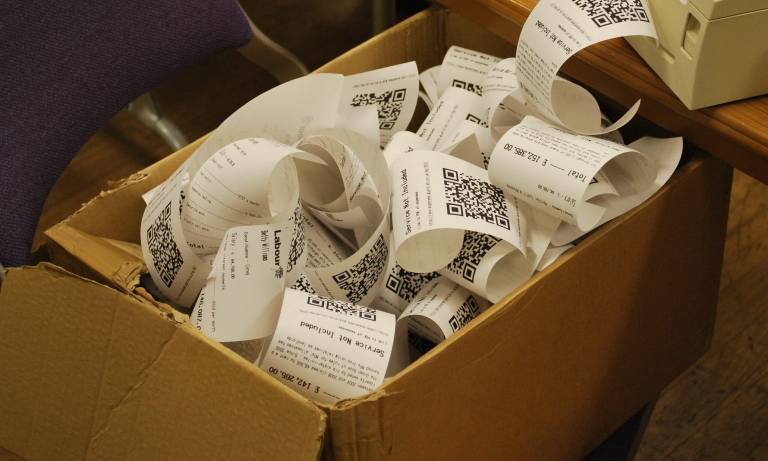
Receipt capture apps use optical character recognition (OCR) and machine learning to read a photo of a receipt or a PDF bill, pull out the supplier, date, amount and GST, and push it straight into Xero, MYOB or QuickBooks. Popular options include Hubdoc (included with many Xero plans) and Dext.
The habit that makes this work: snap the receipt the moment you pay. No more shoeboxes, no faded thermal paper, and your records are complete when it’s time to lodge. The ATO generally requires you to keep business records for five years, and a digital copy captured this way meets that requirement for most receipts.
2. Automate bank reconciliation with bank feeds and rules
Connect your business bank accounts to your accounting software so transactions flow in automatically each day. Then set up bank rules: “anything from Telstra goes to Telephone & Internet, GST included”. Modern software also suggests matches based on how you’ve coded similar transactions before, which is machine learning doing the boring part for you.
Spend five minutes a day, or fifteen minutes on a Friday, approving the suggested matches. Reconciliation that used to take a whole afternoon at quarter’s end becomes a quick routine.
3. Use AI assistants for the admin around the numbers
General AI assistants such as ChatGPT, Claude or Microsoft Copilot are useful for the writing and thinking tasks that surround bookkeeping:
- Drafting polite, firm payment reminder emails for overdue invoices
- Turning a messy list of expenses into a clean table you can check
- Explaining an accounting term or a report in plain English
- Writing a checklist for your month-end or quarter-end routine
- Summarising a long supplier contract so you know the payment terms
Treat the answer as a first draft, not advice. AI tools can sound confident and still be wrong, especially about tax rules, thresholds and deadlines, which change regularly.
4. Get invoices out and paid faster
Set up invoice templates, repeating invoices for regular clients, and automatic reminders in your accounting software. Add online payment options so clients can pay with a click. Many platforms now predict which invoices are likely to be paid late, so you can follow up early. Faster invoicing means healthier cash flow, and less time spent chasing.
5. Keep an eye on cash flow with dashboards
Your accounting software’s dashboard and short-term cash flow forecasts give you a daily view of money in, money out and what’s coming up. Check it each morning with your coffee. Spotting a shortfall three weeks out is a planning problem; spotting it on the day is a crisis.
What AI shouldn’t do: keep a human in the loop
AI is excellent at speed and pattern-matching. It is not accountable to the ATO, and you are. A few ground rules keep you safe:
- Protect sensitive data. Never paste tax file numbers, bank login details, myGov or ATO credentials, or clients’ personal information into a public AI chatbot.
- Check the coding. Rules and suggestions repeat mistakes as efficiently as they repeat correct entries. Review GST codes in particular, because an error flows straight into your BAS.
- Don’t rely on AI for compliance. Lodgement deadlines, GST treatment, payroll and superannuation obligations need someone who is registered and up to date.
- Reconcile before you lodge. Your BAS should always be prepared from reconciled accounts, not from automated suggestions that haven’t been reviewed.
A simple daily AI-assisted routine
- Photograph every receipt as you pay (1 minute)
- Approve bank feed matches in your accounting software (5 minutes)
- Send any invoices for work completed today (5 minutes)
- Glance at your cash flow dashboard (1 minute)
- Once a week, use an AI assistant to draft reminders for overdue invoices
That’s around ten minutes a day to keep your books current, compared with a lost weekend every quarter.
Where Forthright fits in
Technology handles the volume; we handle the judgement. Forthright can set up your bank feeds, rules and receipt capture correctly from the start, review your coding each month, and prepare and lodge your BAS as a registered BAS agent. You get the speed of automation with the confidence that a professional is checking the numbers.
Want help setting up an AI-assisted bookkeeping system for your business? Book an appointment or call 0410 527 521.